 ultimate-guide
Professional Christmas Light Installation Cost 2026
Table of Contents
- What Professional Christmas Light Installation Cost in 2026 Really Covers
- Christmas Light Installation Pricing: The Factors That Move Your Quote
- How to Read a Holiday Light Installation Quote Line by Line
- Christmas Light Removal and Storage: The Part Most Quotes Skip
- Permanent Christmas Light Installation Cost vs. Seasonal Rental
- Electrical Load, Operating Costs, and Safety and Insurance Checks
- Booking Windows, Payment Policies, and Budgeting for Next Season
- Frequently Asked Questions
Last Updated: October 21, 2026
What Professional Christmas Light Installation Cost in 2026 Really Covers
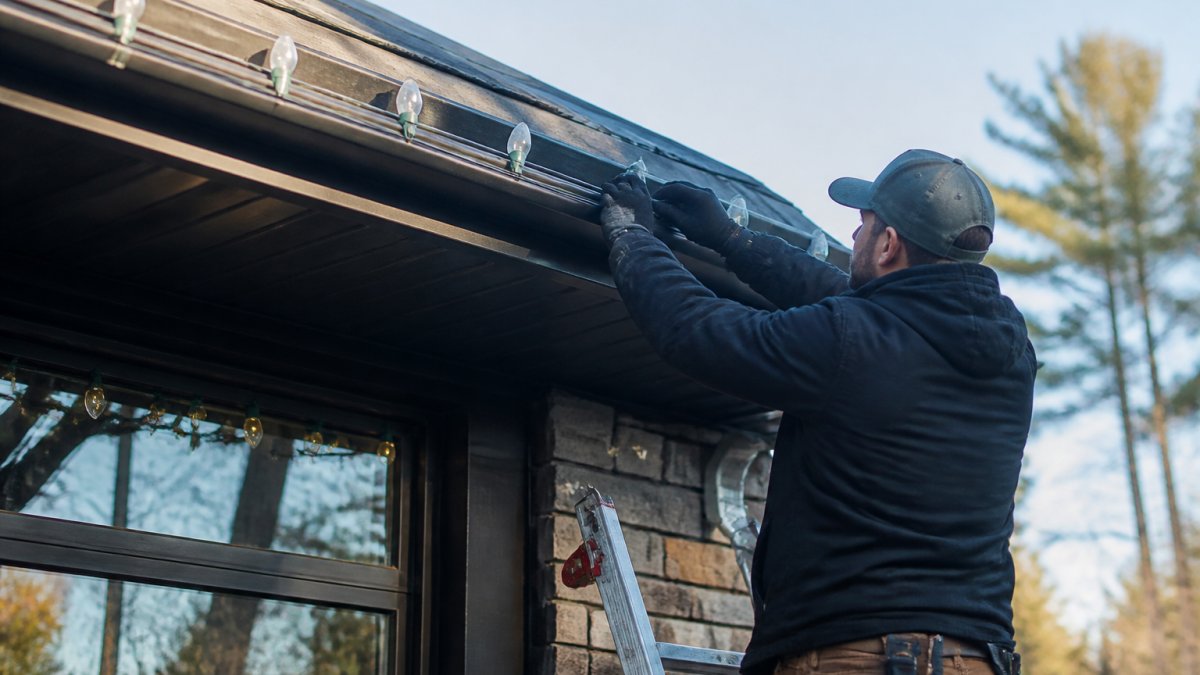
The professional Christmas light installation cost in 2026 is a service bundle, not a single line item. At Dramatic Outdoor Lighting, we offer custom lighting design, expert installation, and comprehensive maintenance, including white-glove holiday services that feature removal and storage. Understanding those four pieces is the difference between comparing apples to apples and getting blindsided in December.
Most homeowners assume the number they see online is the whole story. It rarely is. A quote that looks low often excludes removal and leaves you storing tangled strands in your garage. A quote that looks high may include design work, commercial-grade LED fixtures, and a crew that returns when a strand fails.
Below, we walk through how holiday light installation pricing actually gets built, how to read a quote line by line, and where the real cost drivers hide.

Christmas Light Installation Pricing: The Factors That Move Your Quote
The Christmas light installation cost is driven by measurable inputs, not guesswork. Professional installers price on linear footage, access difficulty, fixture type, and service scope. Change any one of those and the quote moves. What follows are the measurement methods you can use to sanity-check any bid.
Home Size, Linear Footage, and Display Scope
Linear footage is the backbone of most quotes. A single-story ranch with a modest roofline covers far less distance than a two-story home with gables, dormers, and a wraparound porch. Add trees, shrubs, walkways, and window frames and the display scope expands quickly.
A common mistake is measuring only the front eave and assuming that's the job. In practice, rooflines, peaks, gutters, and yard features all count toward the total run.
How to measure your own roofline. Walk the perimeter of the coverage area with a 100-foot tape or a laser measure and record each straight run, then add the vertical rise for each peak and gable. A simple front-eave-only display on a 1,500-square-foot ranch often runs 60-90 linear feet; a two-story home with multiple gables and a porch commonly lands between 150 and 250 linear feet. Write the number down, it is the single figure that most changes your quote.
2026 Price Benchmarks by Display Scope
Use these ranges as a starting point for comparing bids. They reflect full-service seasonal installation (design, commercial-grade LED materials, install, mid-season maintenance, takedown, and storage) and assume standard access. Treat them as planning ranges, not quotes, pricing depends on quantity, dates, and delivery.
| Display Scope | Typical Linear Footage | 2026 Full-Service Range (USD) |
|---|---|---|
| Front eave only, single story | 60-100 ft | $600-$1,200 |
| Roofline plus porch and walkway | 100-180 ft | $1,200-$2,500 |
| Two-story with gables and trees | 180-300 ft | $2,500-$5,000 |
| Estate or whole-property display | 300+ ft | $5,000-$12,000+ |
For a per-foot comparison, pricing depends on quantity, dates, and delivery. A labor-only install (you supply the lights) typically runs pricing depends on quantity, dates, and delivery.
Roof Height, Steep Roofs, and Access Difficulty
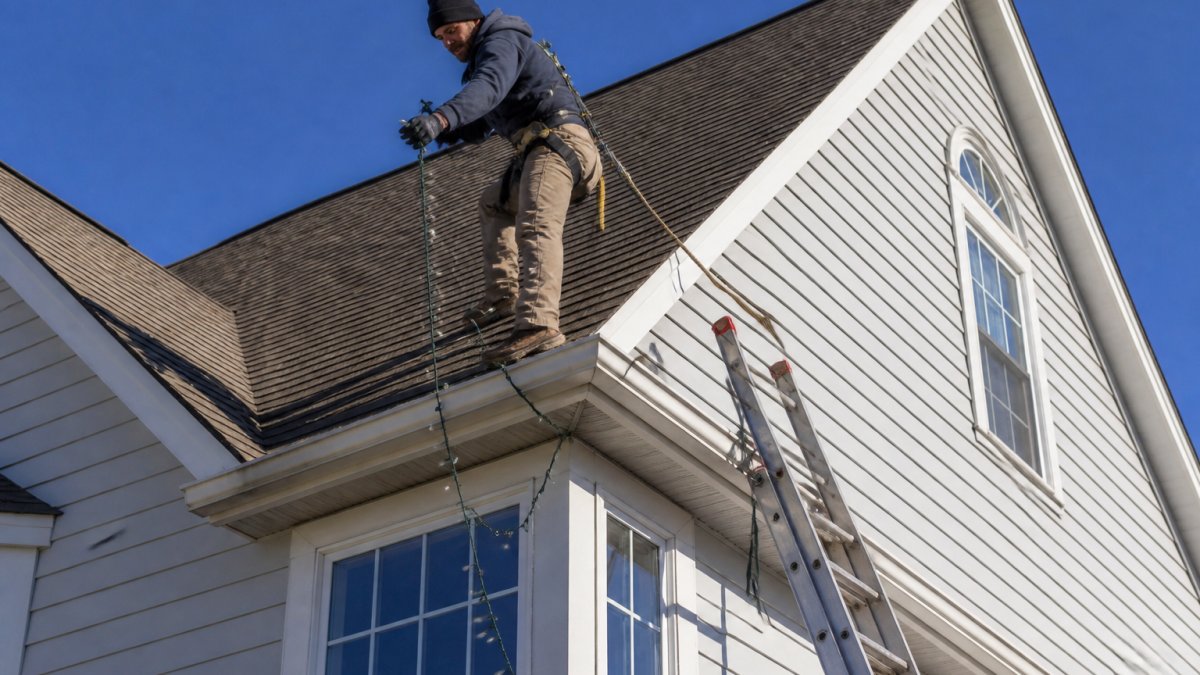
Access difficulty is the second-biggest driver. Steep roof pitches, tall peaks, and tricky architectural angles require harnesses, lifts, and extra crew time. A standard ranch home is a different job than a steep-roofed property with multiple rooflines.
Expect access to add meaningfully to the per-foot rate. A roof that requires a lift or a two-person harness crew can push the effective rate toward the top of the range, while a walkable single-story roof keeps it near the bottom. If your home has challenging geometry, ask directly whether the installer has handled it before. A crew that routinely works steep roofs will quote it confidently; one that doesn't will either pad the number or struggle on install day.
Light and Material Costs
Materials are usually bundled into a full-service quote, but knowing the underlying cost helps you judge whether a bid is fair. Commercial-grade LED strands and clips typically have varying costs, and design work (layout, color plan, coverage map) commonly adds to the overall cost depending on complexity. If a quote is far below the ranges above, ask what grade of fixture is being used and whether the lights are owned or rented.
How to Read a Holiday Light Installation Quote Line by Line
A holiday light installation quote should read like a scope of work, not a lump sum. Ask for each of these broken out separately:
| Quote Line | What It Should Tell You | Red Flag If Missing |
|---|---|---|
| Design | Fixture type, color plan, coverage map | No design detail, just "lights" |
| Materials | LED vs. incandescent, commercial grade | Unclear whether lights are owned or rented |
| Installation | Crew size, date window, access plan | No install date commitment |
| Maintenance | Response time for outages | No mid-season service included |
| Removal & storage | Takedown date, storage method | Removal billed separately later |
Three Itemized Sample Quotes to Compare Against
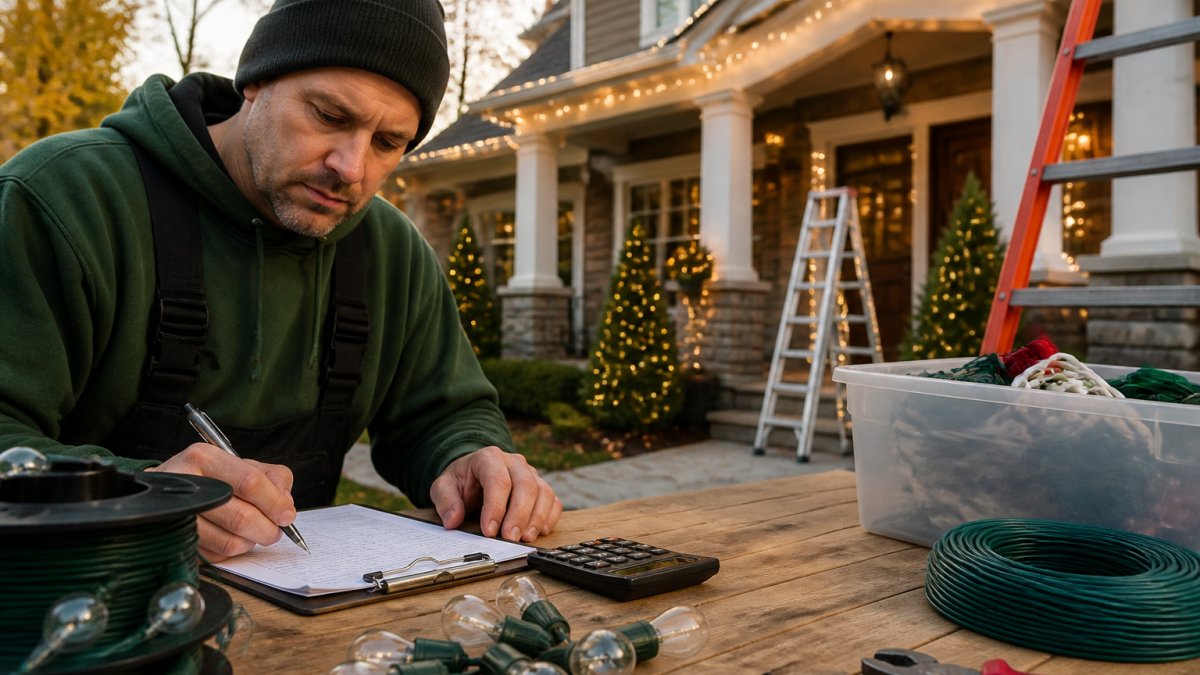
The fastest way to judge a bid is to see what a well-built quote looks like. Below are three illustrative examples for a two-story home with gables, a porch, and two front-yard trees. They are not quotes, but the line structure is what you should expect.
| Line Item | Low ($) | Midrange ($) | High ($) |
|---|---|---|---|
| Design and layout | 150 | 300 | 500 |
| LED materials (commercial grade) | 700 | 1,200 | 2,000 |
| Installation labor | 600 | 1,000 | 1,800 |
| Roof access (harness/lift) | 0 | 250 | 600 |
| Mid-season maintenance | 0 | 150 | 300 |
| Takedown | 200 | 300 | 450 |
| Storage | 0 | 100 | 250 |
| Total | 1,650 | 3,300 | 5,900 |
Notice how the low quote assumes walkable access and no maintenance, while the high quote prices the lift, the service calls, and organized storage. When you compare bids, line them up against this structure, a quote that collapses everything into one number is hiding where the money goes.
What Belongs in a Professional Installation Contract
A solid contract names the install window, the removal window, who owns the fixtures, what happens if a strand fails, and how storage is handled. It should also state insurance and licensing details in writing. Specifically, confirm:
- Ownership: do you own the lights after the season, or does the provider retain and reuse them?
- Replacement policy: are failed strands replaced free during the season, and is there a response-time commitment?
- Warranty: what is covered, and for how long?
- Service calls: how many are included, and what triggers a charge?
- Timers and electrical work: who supplies and programs timers, and who handles any circuit or GFCI work?
- Weather damage: who pays for repairs after a storm?
Contractor Vetting: Insurance, Licensing, and Safety
Before signing, ask for a certificate of insurance showing current general liability coverage, and confirm any state or local registration required for the work. Ask how the crew handles roof safety, harnesses, ladder tie-offs, and lift operation, and whether workers are employees or subcontractors. A reputable installer will answer all of this without hesitation, and the answers protect you if anyone is injured on your property.
Christmas Light Removal and Storage: The Part Most Quotes Skip
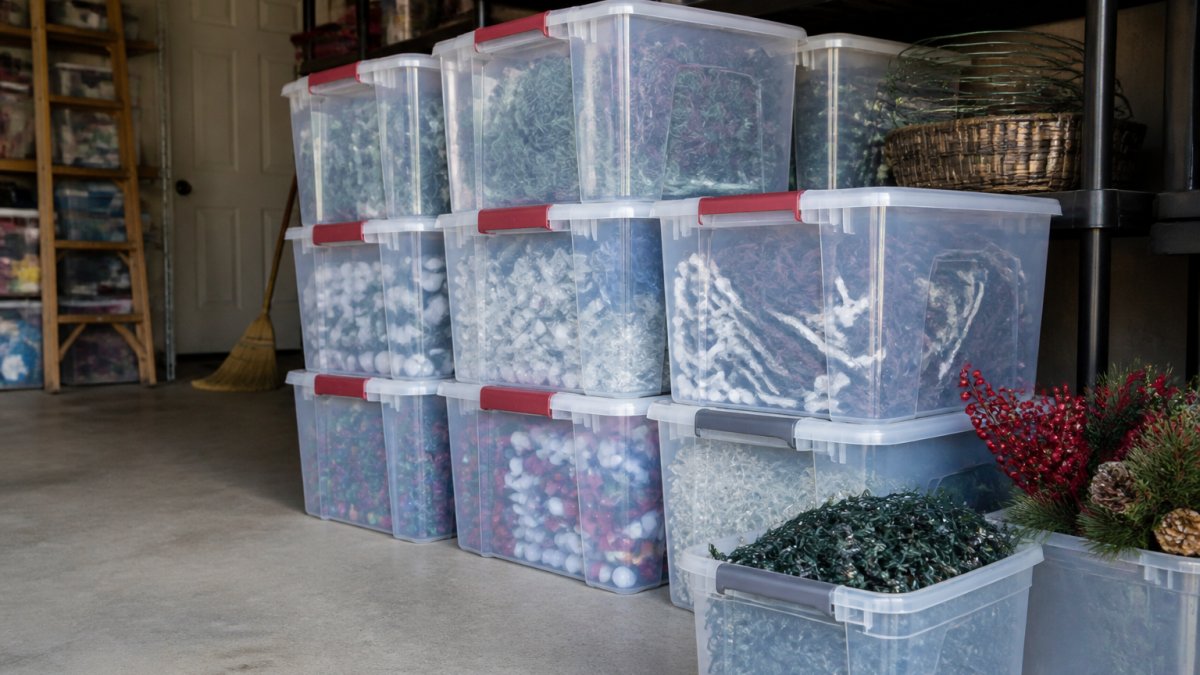
Christmas light removal and storage is where budget quotes quietly fall apart. Many low bids cover installation only, then bill takedown as a separate service in January, when you have the least use to negotiate.
White-glove service flips that. Takedown is scheduled at the same time as installation, fixtures are inspected and organized, and everything is stored so it works next season.
When you compare quotes, ask one question: "Is removal and storage included, and what does storage actually look like?" The answer separates a full-service package from a labor-only install.
Permanent Christmas Light Installation Cost vs. Seasonal Rental
Permanent Christmas light installation cost is structured differently from seasonal service. Seasonal rental bundles design, install, maintenance, removal, and storage into one recurring fee. Permanent systems are a one-time hardware and installation investment.
Which makes sense depends on how you use your property. Homeowners who want a different look each year tend to prefer seasonal rental.
Electrical Load, Operating Costs, and Safety and Insurance Checks
Operating costs are modest with modern LED fixtures, which draw far less power than older incandescent strands. Timers keep the display running only during evening hours, which trims electricity use further.
Safety deserves equal attention. Confirm three things before any crew arrives:
- Insurance: current liability coverage, certificate provided on request
- Licensing: any state or local registration required for the work
- Electrical handling: how the installer manages load and connections safely
The U.S. Consumer Product Safety Commission publishes guidance on safe outdoor electrical use, and the National Fire Protection Association sets electrical code standards that reputable installers follow. Ask how your installer handles outdoor connections and GFCI protection.
Booking Windows, Payment Policies, and Budgeting for Next Season
Booking windows close early. Crews fill their calendars through fall, and the homeowners who lock in dates first get the best scheduling flexibility. If you want installation before Thanksgiving, start the conversation well ahead of the rush.
Payment policies vary. Some providers take a deposit at booking with the balance due at install; others bill in installments. Get the schedule in writing, along with the cancellation policy, before you commit.
Budgeting for next season is simpler than it sounds: keep this year's quote on file, note what was included, and compare next year's proposal against the same scope. That's how you spot a real price change versus a scope change dressed up as one.
For current pricing and availability, ENERGY STAR notes that LED holiday lighting uses significantly less energy than incandescent, which is worth factoring into any long-term comparison.
The real challenge with holiday lighting isn't finding a quote. It's finding one that covers design, installation, maintenance, removal, and storage without surprises in January.
Frequently Asked Questions
What factors affect the cost of professional Christmas light installation?
The biggest drivers are linear footage, home size, and access difficulty. A single-story ranch with reachable eaves costs far less to light than a two-story home with steep roof pitches and peaks. Design complexity matters too: rooflines, gutters, trees, shrubs, walkways, and windows all add scope. Materials play a role, since commercial-grade LED lights cost more upfront than incandescent strands but draw less power. Pricing depends on quantity, dates, and delivery, so ask for an itemized quote rather than a single lump sum.
Does a holiday light installation quote include the lights and removal?
It depends on the provider, so read the quote carefully. Some quotes cover labor only and expect you to supply the strands; others bundle commercial-grade LED lights, design, installation, mid-season maintenance, takedown, and storage into one service package. Ask specifically whether removal and storage are included, what happens if a strand fails in January, and whether the lights are rented or yours to keep. A quote that looks cheaper often excludes takedown, which you then pay for separately in January.
How much do Christmas lights add to your electric bill?
LED lights use a fraction of the electricity of incandescent strands, so a typical residential display adds only a modest amount to a monthly bill. The exact figure depends on your total wattage, how many hours the display runs, and your local utility rate. Putting the display on a timer so it runs six to eight hours per evening instead of around the clock keeps usage predictable. Ask your installer for the estimated wattage of your design, then multiply by your rate to see the real operating cost.
How far in advance should you book a professional holiday light installer?
Book in late summer or early fall if you want a specific installation date before Thanksgiving. Seasonal demand peaks from October through the first week of December, and reputable installers fill their schedules first. Booking early also gives you time to review a design, confirm the holiday light installation quote, and lock in removal dates for January. If you are reading this in November, call anyway; cancellations happen, but your choice of dates will be narrower.