 how-to
Holiday Light Installation Service Warranty: What's Covered
Table of Contents
- Why a Holiday Light Installation Service Warranty Matters
- Holiday Light Installation Warranty Coverage: What's Protected
- Holiday Lighting Warranty Exclusions You Should Know
- Seasonal Installation Warranty vs. Permanent-Lighting Product Warranty
- Christmas Light Repair Service: How Claims Actually Work
- Holiday Light Removal and Storage: Is It Covered?
- How to Compare Warranty Terms Between Installers
- Conclusion: Read the Terms Before You Book
- Frequently Asked Questions
Last Updated: October 19, 2026
Why a Holiday Light Installation Service Warranty Matters
Here is the uncomfortable truth most homeowners learn too late: a cheap quote often hides the cost of a return visit.
A warranty answers that question in advance. It tells you who pays for the crew, whether replacement bulbs are included, and how fast someone shows up.
Below, we break down exactly what a holiday light installation service warranty should cover, what it usually excludes, and how to compare written terms between installers before you sign anything.
Holiday Light Installation Warranty Coverage: What's Protected
Most legitimate warranties protect two things: the quality of the work and the materials the installer supplied. Understanding the split matters, because labor and product often carry different terms and different deadlines.
Workmanship, Labor, and Materials
Workmanship coverage is the installer's promise that clips, stakes, and connections were done correctly.
Labor coverage usually rides alongside it. That's the cost of the technician's time on a return visit. Some installers bundle labor into workmanship; others list it separately with its own limits.
Materials coverage is different. It applies to the lights and hardware the installer provided. If a commercial-grade strand fails on its own, materials coverage should replace it.
A common mistake is assuming all three are included. Ask specifically:
- Does the warranty cover the crew's time, or just parts?
- Are replacement bulbs and strands included, or billed separately?
- Is there a cap on how many service calls per season?
Response Times and Mid-Season Service Calls
Response time is the clause homeowners care about most and read least. A warranty that covers everything but promises a response "within a reasonable time" gives you no use in December.
Look for a stated commitment, such as next-business-day service or a defined window for mid-season calls. At Dramatic Outdoor Lighting, our holiday lighting maintenance includes 24-hour response for service calls.
Ask two questions before booking:
- What's the guaranteed response window for a mid-season outage?
- Does a service call cost anything if the fault is covered?
If the answer to either is vague, treat the warranty as marketing until proven otherwise.
Holiday Lighting Warranty Exclusions You Should Know
Every warranty has limits, and the honest installers state them plainly. The problem is that most exclusion lists are written in the installer's language, not yours. Below is a plain-language breakdown of what a holiday light installation service warranty typically excludes, organized by the categories where disputes actually happen.
The Exclusion Checklist: What's Usually Not Covered
Read this list against any warranty you're handed. If a term is silent on one of these items, ask before you sign.
Consumable parts and normal wear
- Burned-out bulbs after the initial installation window (many warranties cover bulbs for a short period, then treat them as owner-supplied)
- Faded or discolored strands from UV exposure over multiple seasons
- Clips, stakes, and gutter hooks that wear out or snap from repeated install and removal
- Timer and controller batteries
Weather and acts of nature
- Wind damage above a stated threshold (some warranties specify a sustained wind speed; most simply exclude "severe weather")
- Ice loading, snow accumulation, and falling limbs
- Lightning strikes and power surges
- Flooding or water intrusion unrelated to the installation
Damage caused by others
- Damage from the homeowner, a landscaper, a roofer, a painter, or a pest-control provider
- Damage from pets, wildlife, or children
- Damage during homeowner-supplied storage if the installer did not pack the lights
- Alterations, splices, or extensions made by anyone other than the installer
Property and structural items
- Pre-existing roof, siding, gutter, or fascia damage
- Damage to landscaping, irrigation, or underground utilities from stakes
- Interior electrical issues, panel capacity problems, or GFCI trips caused by the home's wiring
Service logistics
- Service calls the installer determines are not warranty-related (often billed at a stated trip charge)
- Access issues, such as a locked gate, blocked driveway, or snow-covered roof, that prevent a return visit
- Claims filed after the stated deadline or after the season ends
Weather, Roof Damage, and Property Protection
Severe weather is the most common exclusion, and that's reasonable: high winds, ice loading, and falling limbs can take down even a well-installed display.
Roof and property damage runs the other way. If an installer's crew damages shingles, siding, gutters, or fascia during installation, that should be the installer's responsibility, not an exclusion.
Ask for three documents before the crew arrives:
- A certificate of general liability insurance with limits stated
- Proof of workers' compensation coverage for the crew
- The written warranty itself, signed and dated
If someone gets hurt on your property, or a ladder punches through a shingle, those documents are what stand between you and the bill.
Exclusions That Are Actually Red Flags
Some exclusions are standard. A few are not, and they tell you what kind of company you're dealing with:
- Blanket disclaimer of installation damage. The installer should own damage their crew causes.
- "Warranty void if anyone else touches the lights." Reasonable for alterations, but read whether it also voids coverage when a homeowner replaces a single bulb.
- No stated response time. An exclusion isn't the problem here; the absence of a commitment is.
- Claim deadline shorter than the season. If you must report a failure within 14 days of noticing it, and the season runs three months, you can lose coverage on a strand that fails in week two and isn't noticed until December.
- Verbal-only terms. If the exclusions aren't in the signed document, they aren't enforceable in your favor either.
The point of reading exclusions isn't to find a warranty with none. It's to know, before the first clip goes up, which failures you'll pay for and which the installer will.
Seasonal Installation Warranty vs. Permanent-Lighting Product Warranty
These are two different products with two different warranty structures, and mixing them up causes confusion.
A seasonal installation warranty covers a temporary display: the install, the takedown, and the service in between.
A permanent-lighting product warranty covers fixtures that stay up year-round. These warranties are usually longer because the hardware is designed to live outdoors permanently.
| Feature | Seasonal Installation Warranty | Permanent-Lighting Product Warranty |
|---|---|---|
| What it covers | Install, takedown, mid-season service | Fixtures and hardware left up year-round |
| Typical duration | One season | Multi-year or lifetime |
| Main risk covered | Workmanship and seasonal failures | Product defects and long-term durability |
| Service model | Return visits during the season | Ongoing maintenance and repair |
If you're weighing a one-time seasonal install against permanent holiday lights, ask which warranty applies to each and get both in writing.
Christmas Light Repair Service: How Claims Actually Work
A Christmas light repair service claim should be simple: report the problem, get a response window, and have a crew fix it.
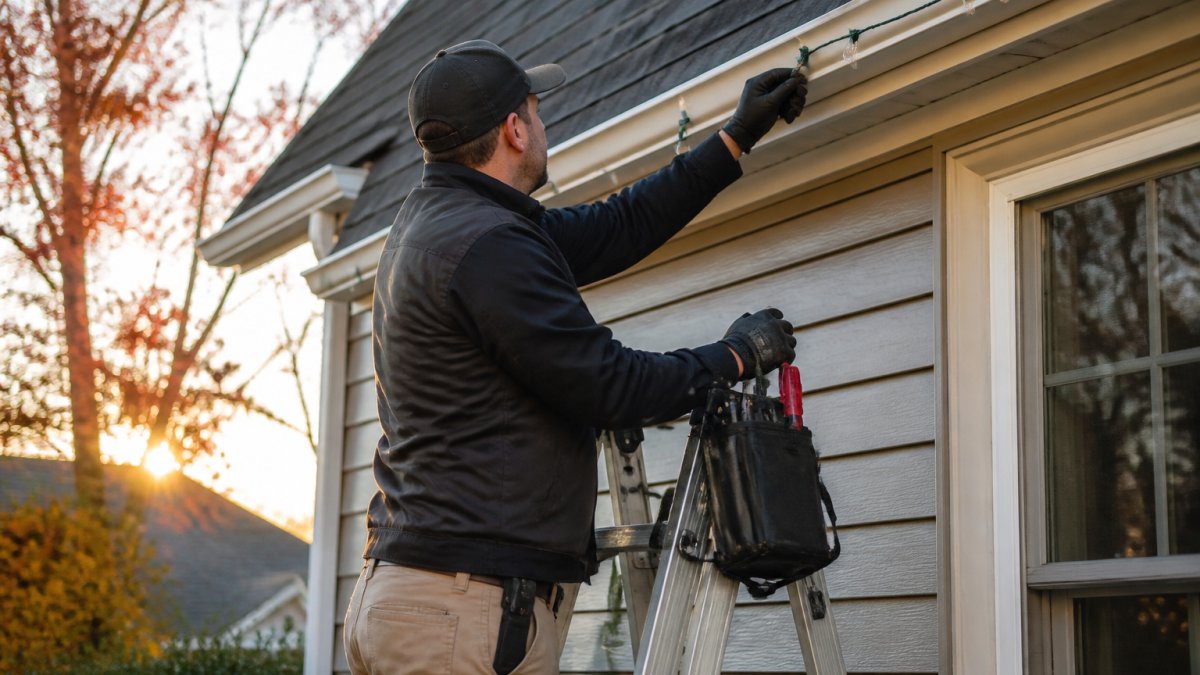
Most claims follow a predictable path:
- Report the issue through the installer's stated channel, whether phone, email, or portal.
- Confirm coverage so you know whether the visit is free or billable.
- Get a scheduled window for the crew to arrive.
- Approve the fix and receive confirmation the work is complete.
The installers who handle this well make step one obvious. If you can't find a clear way to report a problem, that tells you something about how claims will go.
Written Terms, Claim Deadlines, and Documentation
The single most important thing you can do is get the warranty in writing.
Pay attention to the claim deadline. Some warranties require you to report an issue within a set number of days of noticing it, or before the season ends.
Keep your own records, too:
- Photos of the installation as completed
- The signed warranty document and any invoice
- Dates and details of any service calls
Documentation turns a he-said-she-said dispute into a straightforward request. It also makes comparing warranties between installers much easier, because you're comparing actual terms instead of sales pitches.
Holiday Light Removal and Storage: Is It Covered?
Removal is usually part of the seasonal service, not a separate warranty item, but the two connect.
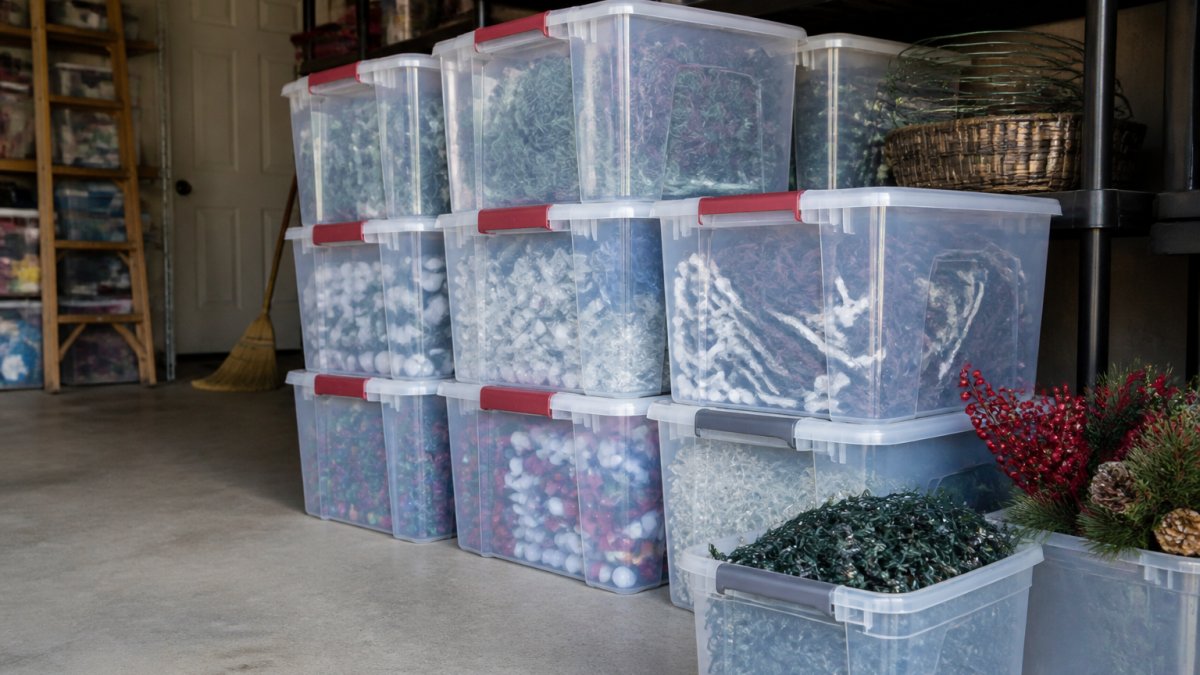
Storage quality matters here. Lights stuffed loosely into a bin tangle, crack, and fail. A white-glove service that organizes and tests strands before storing them protects your investment and reduces next season's failures.
Ask your installer:
- Is takedown included in the service, or billed separately?
- Are lights tested and organized before storage?
- What happens if a stored strand fails when it's reinstalled?
At Dramatic Outdoor Lighting, our white-glove holiday service includes removal and storage, so the same team that installed your display packs it away properly.
How to Compare Warranty Terms Between Installers
Comparing warranties is where most homeowners give up and pick on price. Don't. A warranty is part of what you're buying, and a weak one can cost more than the difference between two quotes.
Use this checklist when you compare written terms:
- Coverage period is stated in writing with clear start and end dates
- Workmanship, labor, and materials are each addressed
- Response time for mid-season calls is a specific commitment, not "reasonable"
- Exclusions are listed plainly, including weather and third-party damage
- Installer confirms responsibility for roof and property damage during install
- Proof of liability insurance is provided on request
- Claim process and deadline are documented
- Removal and storage responsibilities are clear
Two installers can quote similar prices and offer wildly different protection. The one with clearer terms is usually the safer bet, even at a higher number, because you're paying for the return visit you won't have to argue about.
Conclusion: Read the Terms Before You Book
The challenge with holiday lighting isn't getting lights up. It's knowing who's responsible when something goes wrong in the middle of the season.
At Dramatic Outdoor Lighting, we put our commitments in writing: custom lighting design, 24-hour maintenance for holiday lighting, and a white-glove service that includes removal and storage. Our team has served homeowners and businesses across the Sandhills for over ten years.
Request a free consultation with Dramatic Outdoor Lighting and get your warranty terms in writing before the season fills up.
Frequently Asked Questions
What does a holiday light installation warranty usually cover?
Most installation warranties cover workmanship and labor: the way lights were attached, secured connections, and failures caused by the installation itself. That typically includes burned-out bulbs on installed strands, loose clips, and sagging runs. Coverage varies by provider, so ask for the written terms before booking. A warranty on the installation is separate from any manufacturer warranty on the lights themselves, and both should be spelled out in your contract.
Does a holiday light warranty cover weather damage?
It depends on the terms. Many holiday lighting warranty exclusions rule out damage from severe storms, falling limbs, or ice, while still covering normal winter weather failures. Ask specifically what counts as an excluded event and what proof is required if something fails after a storm. If your area sees heavy ice or wind, confirm whether the provider offers a mid-season repair visit and how quickly they respond.
Who is responsible if holiday lights damage a roof or gutters?
Responsibility should be defined in the installation agreement. A reputable installer carries liability insurance and will state in writing that they cover damage caused by their crew, such as cracked shingles, pulled gutters, or damaged flashing. Ask for a certificate of insurance before work begins. If the contract is silent on roof and gutter damage, get clarification in writing, since this is one of the most common gaps in holiday lighting warranty exclusions.
Does a holiday lighting warranty include takedown and storage?
Sometimes, but not always. Some providers bundle removal, testing, and organized storage into the service, while others charge for it separately or exclude it from the warranty. Ask whether storage includes inspection and testing so strands work next season, and whether the warranty carries over to stored lights. Confirm the takedown window too, since late removal can affect both pricing and next year's scheduling.